

Shopping Bag
Popular Suggestions


About Merit
- Medicine and instrument
- Instant Operation & Appointment
- From Scintific Jornal
- 100% Expert Doctors
Dust Mite Allergy
Dust Mite Allergy Treatment in South Mumbai (Marine Lines, Churchgate)
Are you suffering from morning sneezing fits, a chronically blocked nose, or itchy eyes year-round? House dust mites are microscopic, bug-like organisms that thrive in warm, humid coastal climates like Mumbai[cite: 1, 3, 4]. They colonize bed mattresses, pillows, heavy curtains, sofa upholstery, and carpets, feeding on shed human skin scales[cite: 1, 4]. Inhaling dust mite waste proteins causes persistent Allergic Rhinitis and airway inflammation[cite: 1, 3].
At the ENT Allergy Clinic in South Mumbai, senior ENT specialist Dr. Rajeev Nerurkar offers expert diagnostic testing and long-term treatment for Dust Mite Allergy at Bombay Hospital, Marine Lines (easily reachable from Churchgate, Nariman Point, and Girgaon)[cite: 1]. Our goal is to identify your allergen sensitivity and deliver permanent immune tolerance rather than lifelong reliance on daily tablets[cite: 3].
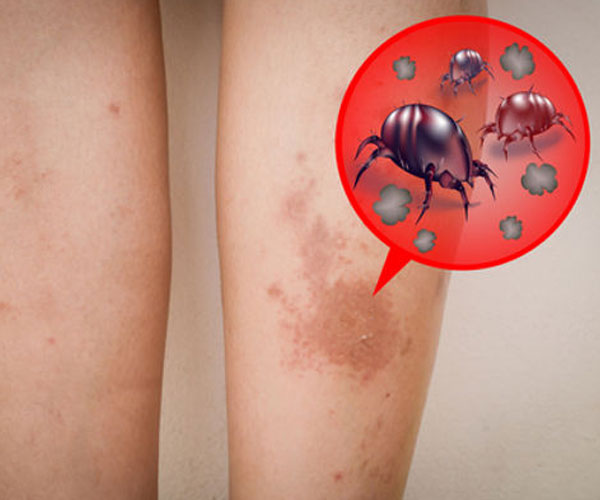
Common Symptoms of Dust Mite Allergy
Unlike seasonal pollen allergies, dust mite allergies persist throughout the year and are often worst upon waking up in the morning[cite: 1]:
Bouts of Morning Sneezing: Waking up with 10 to 20 continuous sneezes[cite: 1].
Perennial Nasal Blockage: Constant nasal congestion making nose breathing difficult, leading to night mouth-breathing and snoring[cite: 1].
Clear Watery Runny Nose: Continuous watery nasal discharge and post-nasal drip causing chronic throat clearing[cite: 1].
Itching of Palate, Eyes & Ears: Persistent allergic itchiness in the roof of the mouth, throat, eyes, and inner ears[cite: 1].
Triggered Allergic Sinusitis & Asthma: Facial pressure, sinus headaches, and lower airway wheezing or coughing[cite: 1, 3].
Our Diagnostic & Treatment Protocol at Bombay Hospital
Dr. Rajeev Nerurkar follows a structured, evidence-based approach to eliminate dust mite hypersensitivity[cite: 1]:
1. Gold-Standard Allergy Testing
We perform an in-clinic Allergy Skin Prick Test or Specific IgE Blood Test to confirm dust mite sensitivity (specifically Dermatophagoides pteronyssinus and Dermatophagoides farinae) with results available in 20 minutes[cite: 3, 4].
2. Target Environmental Control Guidance
We provide patients with a practical dust mite control plan—including anti-allergen mattress encasements, washing bedding in hot water (>60°C), reducing indoor humidity below 50%, and avoiding heavy bedroom carpets or fabric drapes[cite: 1].
3. Sublingual Allergen Immunotherapy (SLIT - Allergy Drops)
For long-term desensitization, we offer Allergen Immunotherapy[cite: 3]. Sublingual drops placed daily under the tongue at home gradually build immune tolerance to dust mite proteins over 3 to 5 years, providing lasting disease relief even after treatment stops[cite: 3, 4].
Frequently Asked Questions (FAQs) - Dust Mite Allergy
Q1. What causes Dust Mite Allergy in South Mumbai?
Dust mites thrive in humid coastal environments like Mumbai[cite: 1, 3, 4]. They live in mattresses, pillows, and soft furnishings, feeding on shed skin scales[cite: 1, 4]. Inhaling their microscopic proteins causes chronic allergic rhinitis and sinus swelling[cite: 1, 3].
Q2. How is Dust Mite Allergy diagnosed at Bombay Hospital?
It is accurately diagnosed through an in-clinic Allergy Skin Prick Test or Specific IgE Blood Test, which confirms sensitivity in 20 minutes[cite: 3, 4].
Q3. Can cleaning or vacuuming cure a Dust Mite Allergy?
While cleaning and using anti-mite bed covers reduces allergen exposure, it cannot cure an active immune hypersensitivity[cite: 1]. Clinical desensitization through Allergen Immunotherapy is required to stop symptoms long-term[cite: 3].
Q4. Is Sublingual Immunotherapy (SLIT) safe for children?
Yes. Sublingual drops/tablets are painless, safe, and highly effective for adults and children aged 5 years and above[cite: 1, 3].
Q5. Can dust mite allergy trigger asthma?
Yes. Untreated dust mite allergy is a primary driver of allergic asthma and chronic cough[cite: 1, 3]. Early immunotherapy helps prevent rhinitis from progressing to asthma[cite: 3].
Consult a Dust Mite Allergy Specialist in South Mumbai
Book a detailed evaluation with Dr. Rajeev Nerurkar at Bombay Hospital, Marine Lines (Near Churchgate Station)[cite: 1].
Chat on WhatsApp: +91 9820192774
Or visit our Contact Page for clinic hours and location directions[cite: 1].