

Shopping Bag
Popular Suggestions


About Merit
- Medicine and instrument
- Instant Operation & Appointment
- From Scintific Jornal
- 100% Expert Doctors
Allergic Rhinosinusitis
Allergic Rhinosinusitis Treatment Doctor in South Mumbai (Marine Lines, Churchgate)
Are you suffering from persistent facial pain, sinus pressure, heavy head, and chronic nasal blockage? Allergic Rhinosinusitis is a debilitating condition where environmental allergies trigger chronic mucosal inflammation across both the nasal passages and the paranasal sinus cavities[cite: 1]. Common triggers include dust mites, pollens, mold, pet dander, and urban air pollution[cite: 1, 3, 4].
At the ENT Allergy Clinic in South Mumbai, leading specialist Dr. Rajeev Nerurkar offers comprehensive, evidence-based evaluation and treatment for Allergic Rhinosinusitis at Bombay Hospital, Marine Lines (easily reachable from Churchgate, Nariman Point, and Girgaon)[cite: 1]. Our goal is to reduce sinus swelling, clear airway drainage, and prevent recurrent flare-ups[cite: 1].
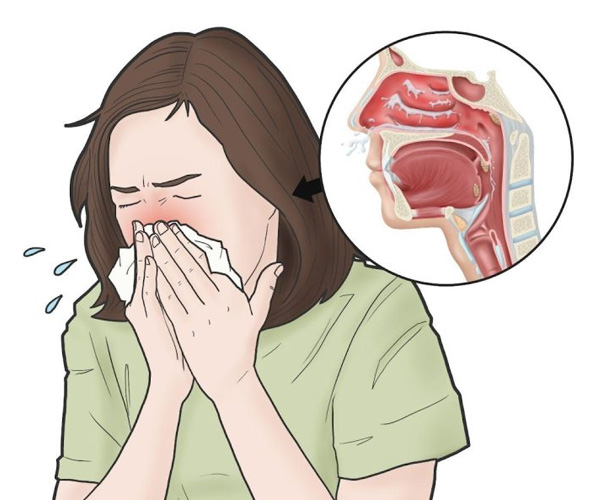
Key Symptoms of Allergic Rhinosinusitis
When allergic inflammation blocks normal sinus drainage pathways, patients experience a range of distressing symptoms[cite: 1]:
Facial Pressure & Sinus Headaches: Fullness and dull ache around the forehead, cheeks, and eyes that worsens when bending forward[cite: 1].
Persistent Nasal Congestion: Heavy blockage making nasal breathing difficult day and night[cite: 1].
Thick Discharge & Post-Nasal Drip: Mucus dripping down the back of the throat causing persistent clearing and cough[cite: 1].
Reduced Sense of Smell (Anosmia): Swollen sinus passages restricting airflow to olfactory nerves[cite: 1, 3].
Sneezing & Watery Eyes: Classic allergic rhinitis symptoms accompanying sinus congestion[cite: 1].
Advanced Diagnosis & Treatment Protocol at Bombay Hospital
Unlike simple infectious sinusitis, Allergic Rhinosinusitis requires addressing both structural blockages and underlying immune sensitivities[cite: 1, 4]:
1. Comprehensive Diagnostic Evaluation
We perform high-definition in-clinic diagnostic nasal endoscopy to check for mucosal edema or nasal polyps[cite: 4]. When required, a CT scan of the Paranasal Sinuses (PNS) evaluates deep sinus involvement, accompanied by an Allergy Skin Prick Test to identify your exact trigger allergens[cite: 3, 4].
2. Targeted Medical & Saline Management
Prescription of modern anti-inflammatory nasal steroid sprays, antihistamines, and targeted saline douching to reduce sinus swelling and maintain natural mucosal clearance[cite: 1, 4].
3. Allergen Immunotherapy & Biologics
For long-term desensitization, we offer Allergen Immunotherapy to build immune tolerance over 3–5 years[cite: 3]. For severe cases with recurrent nasal polyps, advanced Biological Therapy (such as Dupixent) is prescribed to shrink polyps and restore smell without chronic steroids[cite: 3].
4. Functional Endoscopic Sinus Surgery (FESS)
In cases where chronic allergic inflammation causes permanent structural obstruction or nasal polyps, Dr. Rajeev Nerurkar performs minimally invasive Functional Endoscopic Sinus Surgery (FESS) to open blocked sinuses[cite: 3, 4].
Frequently Asked Questions (FAQs) - Allergic Rhinosinusitis
Q1. What is Allergic Rhinosinusitis?
Allergic Rhinosinusitis is an inflammatory condition where underlying environmental allergies (like dust mites or pollens) cause swelling in both the nasal passages and sinus cavities, leading to persistent blockage, facial pressure, and headache[cite: 1].
Q2. How is Allergic Rhinosinusitis different from regular Sinusitis?
Regular acute sinusitis is typically caused by viral or bacterial infections. Allergic Rhinosinusitis is triggered by an allergic reaction to airborne particles[cite: 1]. Taking antibiotics will not provide long-term relief unless the underlying allergy is treated[cite: 1, 3].
Q3. What diagnostic tests are needed for allergic sinus issues?
A complete evaluation includes an in-clinic diagnostic nasal endoscopy, a CT scan of the sinuses to evaluate blockage severity, and an Allergy Skin Prick Test to identify specific allergens[cite: 3, 4].
Q4. Can Allergic Rhinosinusitis cause nasal polyps and loss of smell?
Yes. Long-standing, untreated sinus allergy causes chronic mucosal swelling, which can form non-cancerous growths called nasal polyps[cite: 4]. These polyps block airflow and can cause partial or total loss of smell (anosmia)[cite: 3, 4].
Q5. Is sinus surgery required for Allergic Rhinosinusitis?
Not always. Most patients improve with targeted nasal sprays, saline washes, and Allergen Immunotherapy[cite: 1, 3]. Surgery like FESS is reserved for cases with severe structural blockages or polyps that do not clear with medication[cite: 4].
Q6. Can immunotherapy cure Allergic Rhinosinusitis?
Allergen Immunotherapy (sublingual drops or shots) gradually retrains your immune system to tolerate your trigger allergens, preventing future sinus flare-ups and providing long-term relief[cite: 3].
Consult an Allergic Rhinosinusitis Specialist in South Mumbai
Book a consultation with Dr. Rajeev Nerurkar at Bombay Hospital, Marine Lines (Near Churchgate Station)[cite: 1].
Chat on WhatsApp: +91 9820192774
Or visit our Contact Page for clinic hours and location directions[cite: 1].